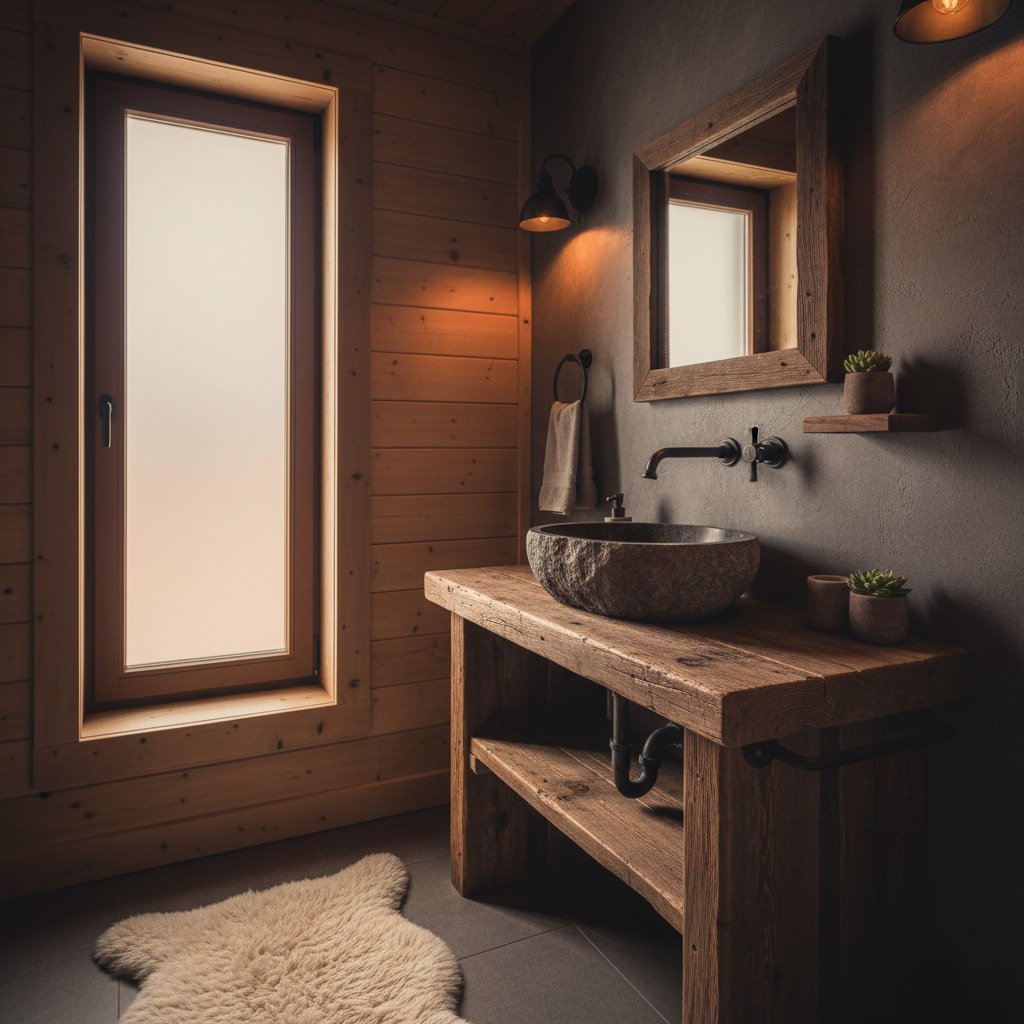
Picture this: you step out of a steaming shower and glide straight into a deep, inviting tub that feels like a private oasis—no extra square footage, no costly remodel nightmare.
Kingman homeowners are swapping their cramped shower stalls for these hybrid spaces because they get the best of both worlds: a sleek, modern look that adds resale sparkle, plus the soothing soak that a tub delivers after a long day in the desert heat.
Beyond the comfort factor, a shower‑to‑tub conversion can shave water bills and free up bathroom real estate, turning a cramped corner into a functional centerpiece without tearing down walls.
Ready to see why this simple switch is becoming the go‑to upgrade for families and retirees alike? Keep reading to discover the hidden perks and how easy it is to make the change.
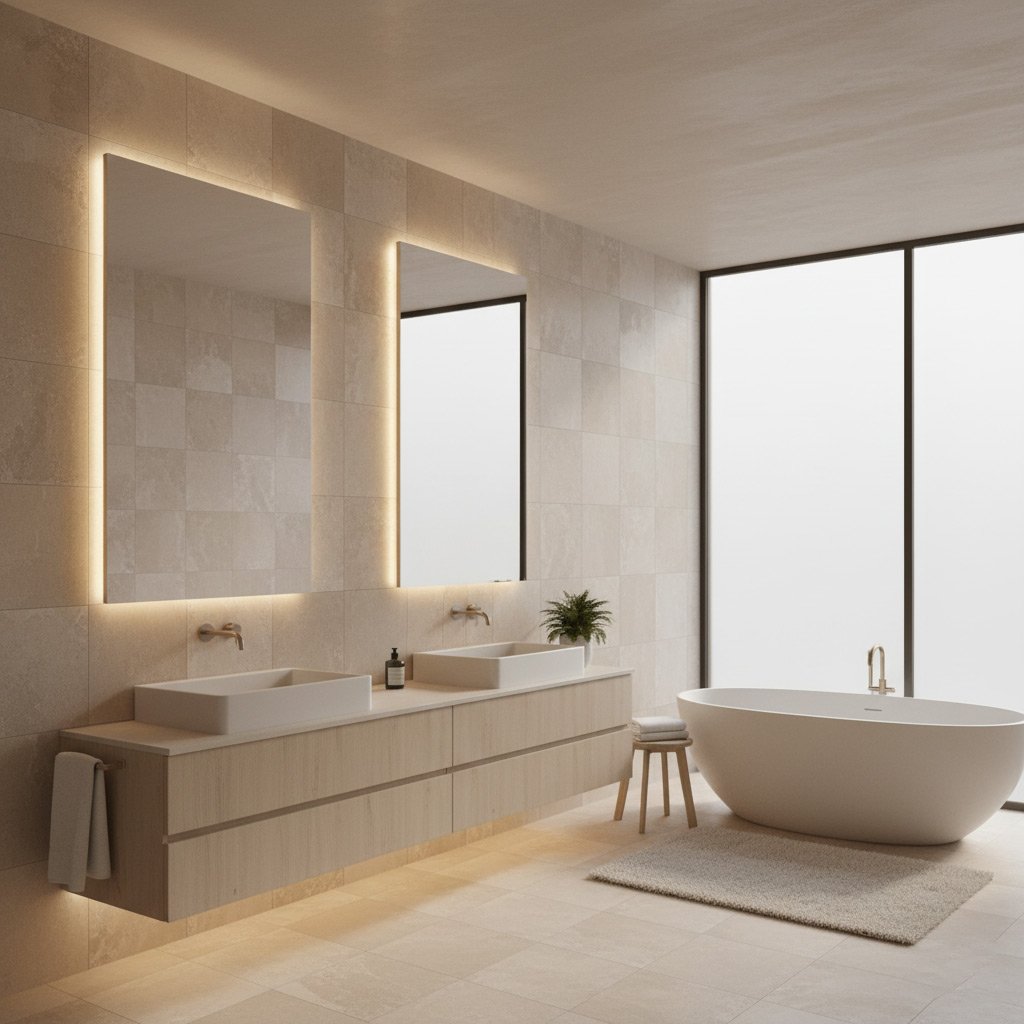
The Top Benefits of Converting a Shower to a Tub in Kingman Homes
First off, a tub‑shower combo instantly boosts curb appeal. Buyers love the flexibility of a space that can handle a quick rinse and a relaxing soak without extra square footage. In a desert market, that kind of versatility translates to a higher asking price and faster sale.
Why the Switch Pays Off
- Water savings – modern tubs recycle heat, cutting hot‑water use by up to 30%.
- Space optimization – a single footprint replaces two separate fixtures.
- Increased home value – appraisers note the upgrade as a premium feature.
- Family‑friendly design – kids can play safely while adults unwind.
Second, the comfort factor is a game‑changer after a long day under the Arizona sun. Sliding from a steamy shower straight into a deep soak feels like a mini‑spa, and the added warmth helps muscles recover faster. That extra relaxation isn’t just a luxury; it’s a daily health boost that keeps residents coming back for more.
Evaluating Your Bathroom Layout: Space, Plumbing, and Structural Considerations
Measure Twice, Cut Once
Start by sketching the existing footprint on graph paper; a 2‑foot buffer around the new tub‑shower combo is non‑negotiable. Clearance for doors, towel bars, and the occasional bathroom rug should be at least 30 inches.
- Width: Does the wall allow a 60‑inch tub without crushing the vanity?
- Depth: Account for the tub’s front lip plus a 6‑inch walk‑around zone.
- Height: Verify ceiling clearance—most tubs sit 14‑16 inches above the floor.
Plumbing Realities
Locate the existing drain and supply lines before you order a tub; moving a drain can double labor costs. If the current shower valve sits on the opposite wall, you’ll need a longer supply run or a new manifold.
- Check the pipe material—copper, PEX, or PVC each has its own bend radius.
- Make sure the vent stack aligns with local code; a missed vent means a costly re‑run.
- Plan for a mixing valve that can handle both a high‑flow shower and a relaxing soak.
Structural Check
Before you tear down the wall, confirm the studs are spaced 16 inches on center; uneven spacing can cause a wobbly tub. The floor must support the added weight of a filled tub—usually 40‑50 pounds per square foot.
- Inspect joists for rot or sag; reinforce with sister joists if needed.
- Verify that the wall isn’t load‑bearing; if it is, you’ll need a header.
- Consider a slip‑resistant underlayment to protect both tub and floor.
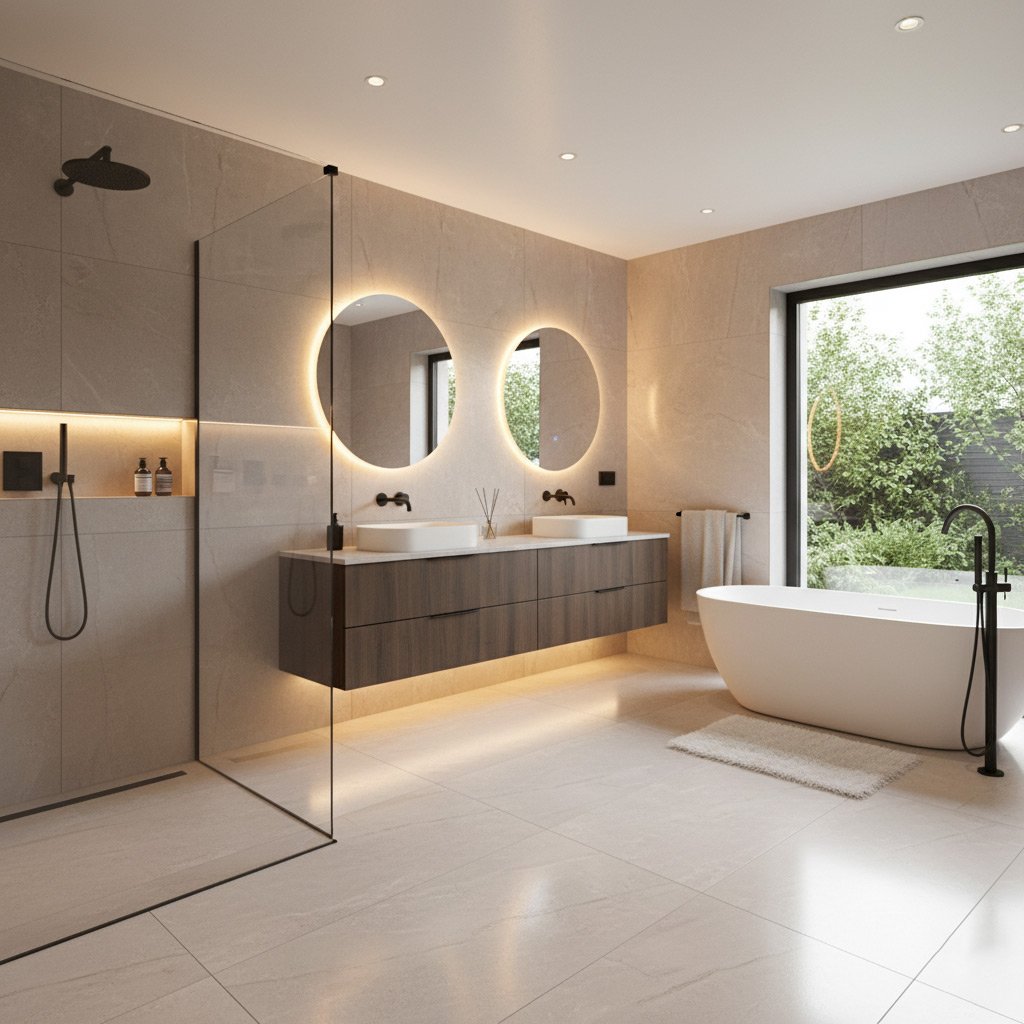
Budget Breakdown: Materials, Labor Costs, and Long‑Term Savings
Materials
Choosing the right tub‑shower combo is the first line item on your spreadsheet. A basic acrylic unit can start around $800, while a premium cast‑iron model with custom tile work may climb past $2,500. Don’t forget the extras—water‑tight backer board, new faucet sets, and a quality drain assembly—each adding $150‑$400 to the total.
- Acrylic or fiberglass: $800‑$1,200
- Porcelain‑enameled steel: $1,200‑$1,800
- Cast‑iron with tile surround: $2,000‑$3,500
- Plumbing fixtures (valves, showerheads): $150‑$400
- Water‑proofing membrane: $100‑$250
Labor Costs
Professional installation in Kingman typically runs $1,200‑$2,500, depending on the complexity of the existing plumbing. If you need to reroute supply lines or add a new vent, expect an extra $300‑$600. Most reputable contractors will also handle the permit fee—usually $50‑$150—so you don’t have to chase the city office yourself.
Long‑Term Savings
Switching to a tub‑shower hybrid can shave 10‑15% off your water bill because you’ll use less hot water per shower. Over a five‑year span, that adds up to roughly $250‑$400 saved. Plus, a well‑executed conversion boosts curb appeal, often translating to a 2‑3% bump in resale value—money that pays for itself faster than you think.
Selecting the Ideal Tub‑Shower Combination for Desert Climate Comfort
Material matters
In a desert home, the tub’s surface can become a heat trap if you pick the wrong material. Porcelain enamel stays cool under the sun, while acrylic warms up quickly and may feel uncomfortable after a long day.
Consider a cast iron tub with a powder‑coat finish. It holds temperature well, so a hot soak stays hot and a cool rinse stays cool. The extra weight isn’t a problem if your floor is reinforced—most Kingman homes are built for it.
Smart features for water‑wise living
Every drop counts when the summer heat drives up the water bill. Look for tubs that come with built‑in low‑flow faucets and a dual‑function showerhead that can switch from a rain‑like spray to a gentle mist.
- Thermal‑insulated walls keep the water temperature steady.
- Self‑cleaning glaze reduces the need for harsh chemicals.
- Adjustable hand‑held shower wand for targeted rinsing.
Design that fits the desert vibe
Desert style loves clean lines and earthy tones. A tub with a slab‑edge design blends into a stone or tile surround without looking bulky.
Choose a neutral palette—sand, warm gray, or muted teal—to complement the natural light that floods Kingman homes. Add a simple chrome or brushed‑nickel faucet for a touch of modern polish without stealing the show.
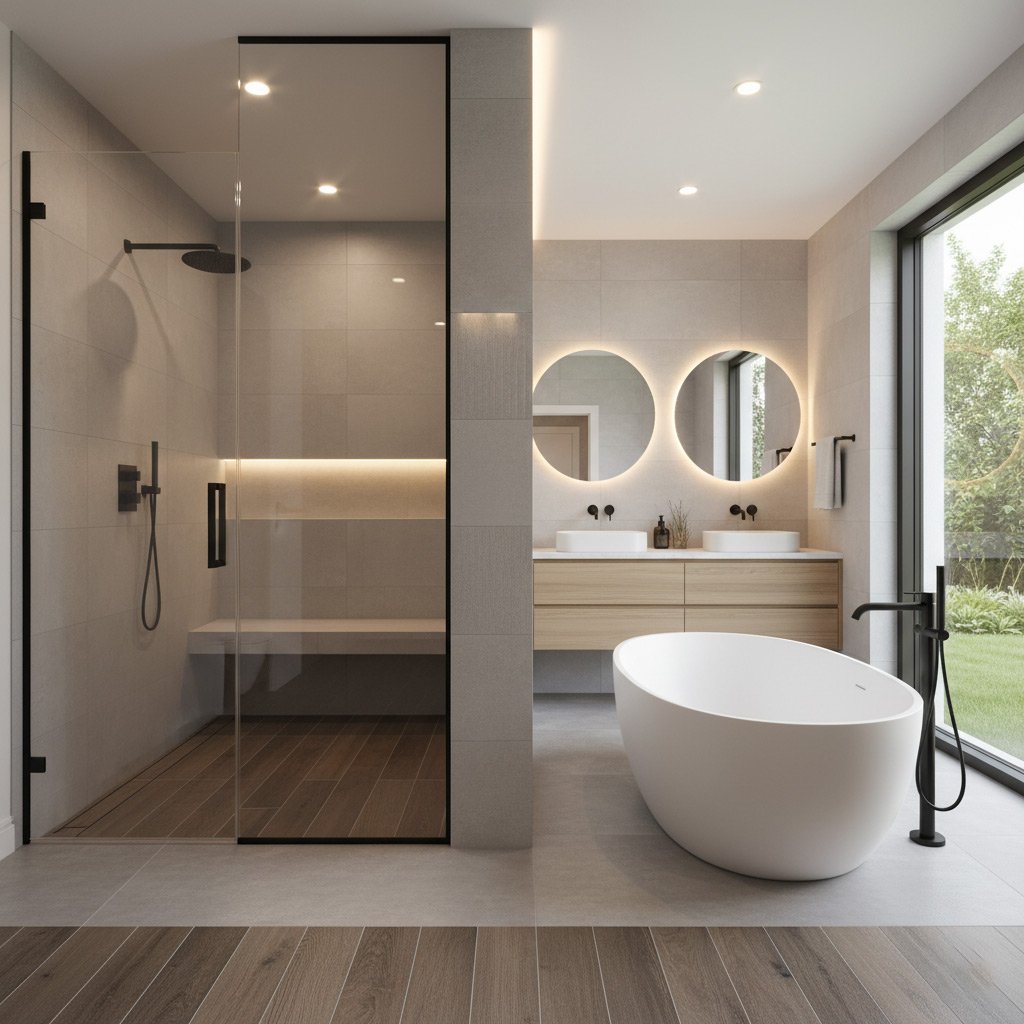
Step‑by‑Step Installation Process: Permits, Timeline, and Contractor Coordination
Permits & Approvals
First thing: check with the Kingman Building Department. One permit usually covers plumbing and structural changes.
Gather these items before you call a contractor:
- Site plan showing the existing shower footprint.
- Plumbing schematic for the new tub drain.
- Proof of homeowner’s insurance.
Submit the packet, pay the modest fee, and expect a 5‑day turnaround. No surprise, no extra paperwork later.
Typical Timeline
A well‑planned conversion can be done in under two weeks.
- Day 1‑2: Demolition and removal of the old shower stall.
- Day 3‑5: Rough‑in plumbing and framing adjustments.
- Day 6‑9: Install the tub‑shower combo, tile, and fixtures.
- Day 10‑12: Finish work, caulking, and final inspection.
Any delay usually ties back to unexpected water line issues—so budget a buffer day or two.
Working With Your Contractor
Pick a local pro with a solid portfolio of tub‑shower projects. Ask for references from other Kingman families.
- Get a written scope that lists every material and labor hour.
- Set a clear payment schedule: deposit, mid‑point, and final.
- Require a daily log so you can see progress and catch problems early.
Good communication keeps the project on track and prevents surprise costs.
Case Study: A Kingman Family’s Successful Shower‑to‑Tub Conversion
The Challenge
When the Martinez family moved into their 1970s ranch home, the master bath felt like a closet—tiny, cold, and impossible to relax after a scorching day in the desert. They wanted a space that could double as a quick rinse and a soothing soak without tearing down a wall.
The Solution
We swapped the existing 32‑inch shower stall for a custom acrylic tub‑shower combo that fits the same footprint. The project took nine days from permit approval to final grout, thanks to a pre‑planned plumbing reroute and a crew that knew the local code inside out.
- Permits secured in 48 hours
- Plumbing adjusted with flexible PEX, saving $450 on labor
- Installation completed in 5 days, leaving the family with a functional bathroom on day six
The Payoff
Six months later the Martinezes report a 12% drop in their water bill and rave about the “spa‑like” feel of the new tub. Real‑estate agents tell us the upgrade added $15,000 to the home’s market value. The family now enjoys a nightly soak, and the bathroom’s fresh look has become the home’s centerpiece.
Final Words
If you’ve been sitting on the fence, now’s the moment to pull the trigger. A shower‑to‑tub conversion isn’t a luxury; it’s a smart move that adds comfort, resale value, and water‑saving power to your Kingman home.
What to Do Next
- Grab a free quote from a local, licensed contractor.
- Check the Shower to Tub Conversions page for design ideas that fit desert living.
- Schedule a walkthrough to confirm plumbing and structural fit.
When the paperwork’s signed, sit back and watch the transformation unfold. In a few weeks you’ll have a sleek, dual‑purpose oasis that makes every bath feel like a mini‑vacation—no extra square footage required.
People Also Ask
What are the main reasons Kingman homeowners choose shower‑to‑tub conversions?
Many families value the added flexibility of a tub for kids and seniors, while still enjoying a modern shower. The conversion also boosts resale value and can be more cost‑effective than a full bathroom remodel.How does a tub‑shower combo improve comfort in Kingman's desert climate?
A tub provides a relaxing soak to counteract the dry heat, and a well‑insulated shower enclosure helps retain warmth. Selecting water‑efficient fixtures further reduces the strain on the local water supply.Is the plumbing layout in most Kingman homes compatible with a shower‑to‑tub conversion?
Most homes have existing drain and water lines that can be adapted with minimal re‑routing. A qualified contractor will assess the current setup to ensure a smooth transition.What budget should I expect for a typical shower‑to‑tub conversion in Kingman?
Costs generally range from $3,500 to $7,500, covering materials, labor, and permits. Investing in durable, low‑maintenance tub‑shower units can lead to long‑term savings on repairs and water usage.How long does a shower‑to‑tub conversion take from permits to completion?
The entire process usually spans 2 to 4 weeks, depending on permit approval and material availability. Coordinating with a licensed contractor ensures the timeline stays on track.
Kingman Bathroom Remodel specializes in comprehensive bathroom renovations, bringing over a decade of craftsmanship to homes throughout Kingman, Arizona. Their team combines local knowledge with skilled trades to deliver functional and stylish spaces tailored to each homeowner’s needs.
Need Bathroom Remodel?
We restore indoor comfort quickly for homes and businesses in Kingman, AZ and nearby ZIPs (86401, 86402, 86403, 86404, 86405). Our technicians diagnose and fix issues efficiently to keep your system running smoothly.
Get Bathroom Quote