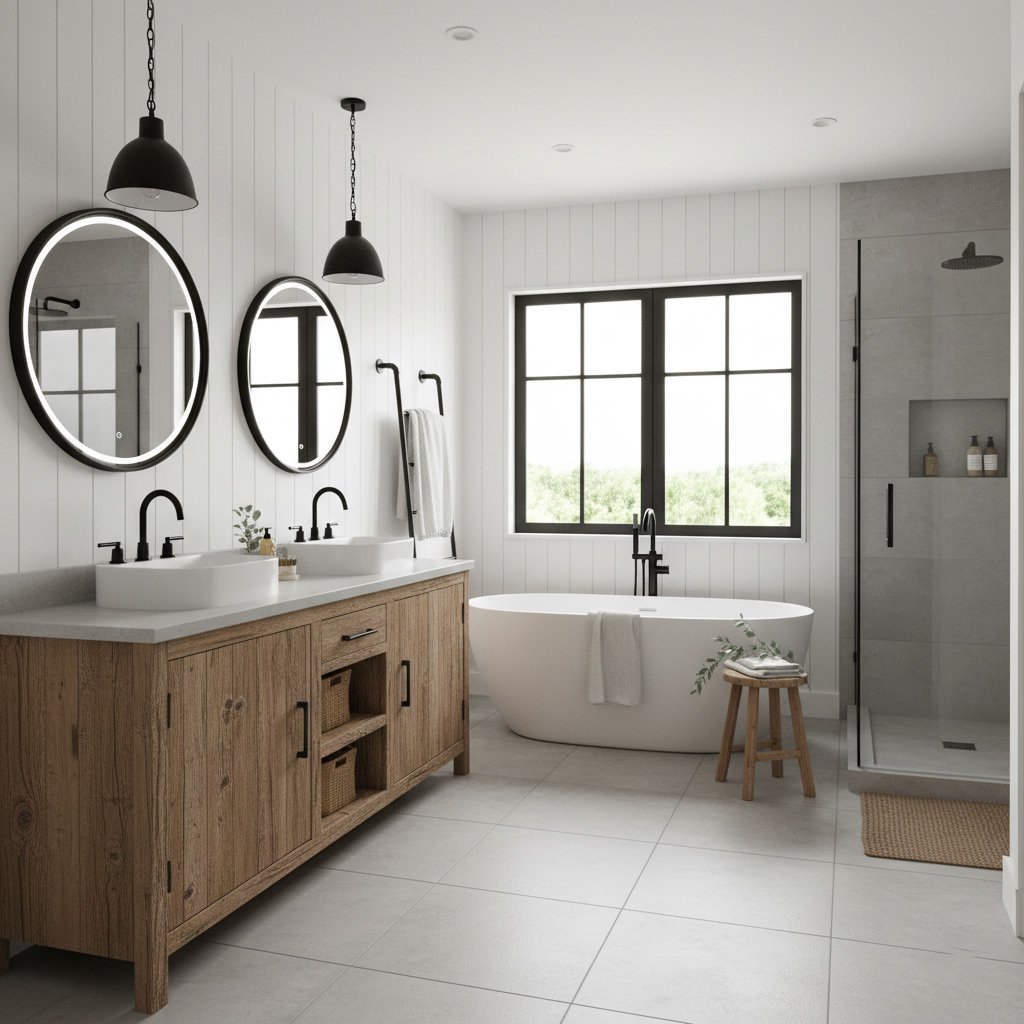
If you’ve ever stared at a cracked tub and thought, “There’s gotta be a cheaper way,” you’re not alone. Most Kingman homeowners have wrestled with that exact dilemma.
In this desert town, the buzz is that bathtub liners are the shortcut to a fresh‑look bathroom without the mess of a full remodel. Locals swear they’ve saved thousands by swapping a liner instead of tearing out the whole thing.
But the market is littered with cheap, one‑size‑fits‑all products that peel, bubble, or turn your shower into a slip‑n‑slide. The truth? A quality liner, installed by a pro who understands Kingman’s hard water and temperature swings, can hold up for years.
Ready to separate the hype from the hard facts and see why Kingman’s savvy renovators trust the right liner? Keep reading and we’ll spill the details you won’t find on a generic home‑improvement site.
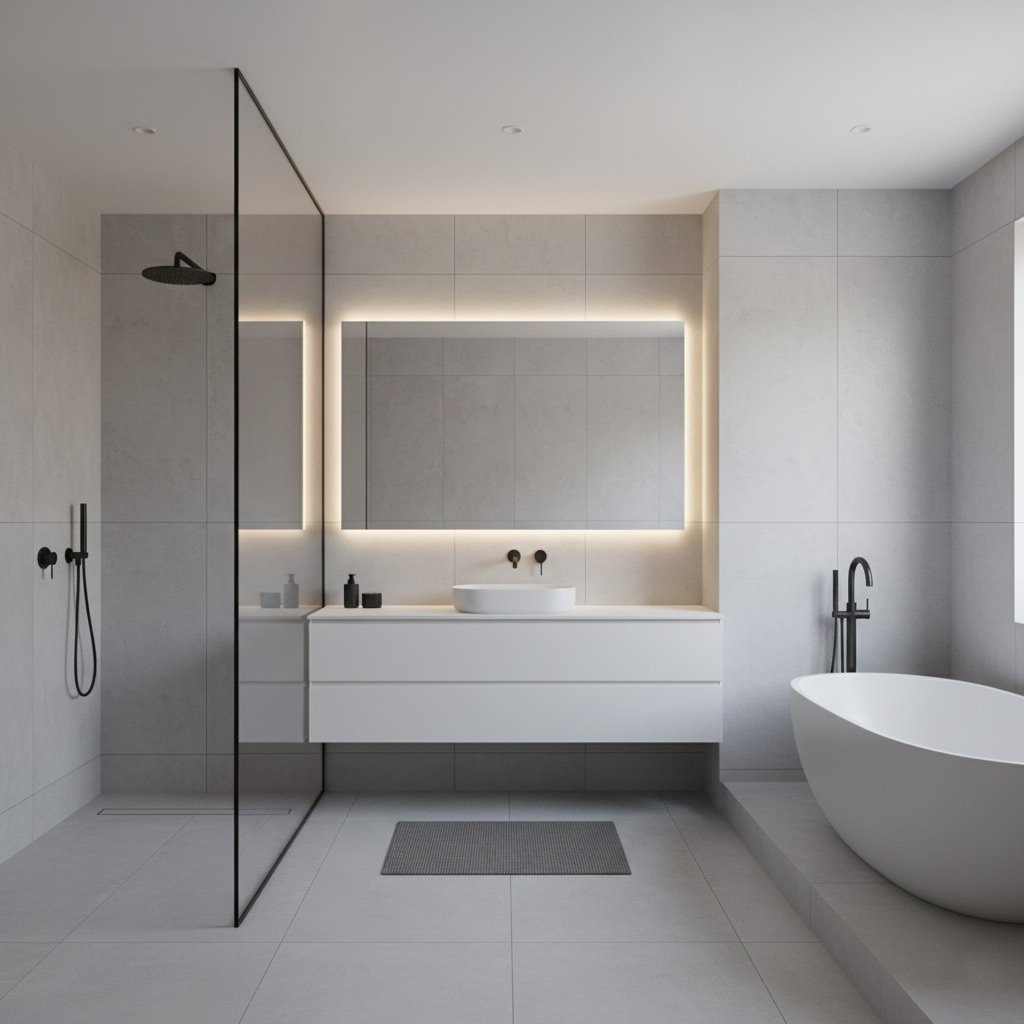
Understanding Bathtub Liner Materials: Acrylic, PVC, and Gel‑Coat Explained
When you pick a liner, you’re not just choosing a color – you’re picking a material that will live with Kingman’s heat, hard water, and daily traffic. The three big players are acrylic, PVC, and gel‑coat, each with its own strengths and weak spots.
Acrylic & PVC: The Workhorses
Both acrylic and PVC are popular because they’re affordable and easy to shape around a tub’s curves. They differ in feel, durability, and how they react to our desert water.
- Acrylic – smooth, glossy finish; resists stains; can handle temperature swings but may yellow over time if exposed to direct sun.
- PVC – tougher on a budget; slightly less glossy; stands up well to hard water but can feel a bit plasticky underfoot.
Gel‑Coat: The Premium Play
Gel‑coat is the high‑end option that lets you customize color and texture while delivering a showroom‑level shine. It’s a bit pricier, but it holds up when the sun beats down on your bathroom walls.
- Custom pigments – match any tile or countertop without hunting for the perfect shade.
- Ultra‑dense surface – less prone to chips, bubbles, or the dreaded “peel‑off” that cheap liners suffer.
- Heat‑stable – stays cool to the touch even when the desert sun heats the room.
How Kingman’s Climate and Hard Water Impact Liner Longevity
Kingman’s desert heat can swing from 40 °F at night to 105 °F in the afternoon. Those temperature shifts make any bathtub material expand and contract, and a low‑grade liner will crack where the stress is greatest. Choosing a liner that tolerates thermal movement is the first line of defense against premature failure.
Hard water is another silent enemy. The mineral load in Kingman’s supply leaves a thin film on every surface, and over time that film can eat into the adhesive bond that holds a liner in place. When the bond weakens, the liner may lift, bubble, or even separate from the tub wall.
What to Watch For
- Visible mineral buildup on the old tub before installation – it must be stripped clean.
- Temperature‑sensitive adhesives that are rated for desert climates.
- Sealants that claim “UV‑resistant” – the sun’s UV rays can degrade cheap polymers faster than you think.
Professional installers in Kingman know to prep the surface with a water‑soluble etcher, then apply a primer that resists mineral intrusion. Skipping those steps saves a few dollars now, but it costs you a whole new tub later. Invest in proper prep and you’ll see the liner hold its shine for years, even with the desert’s hard‑water onslaught.
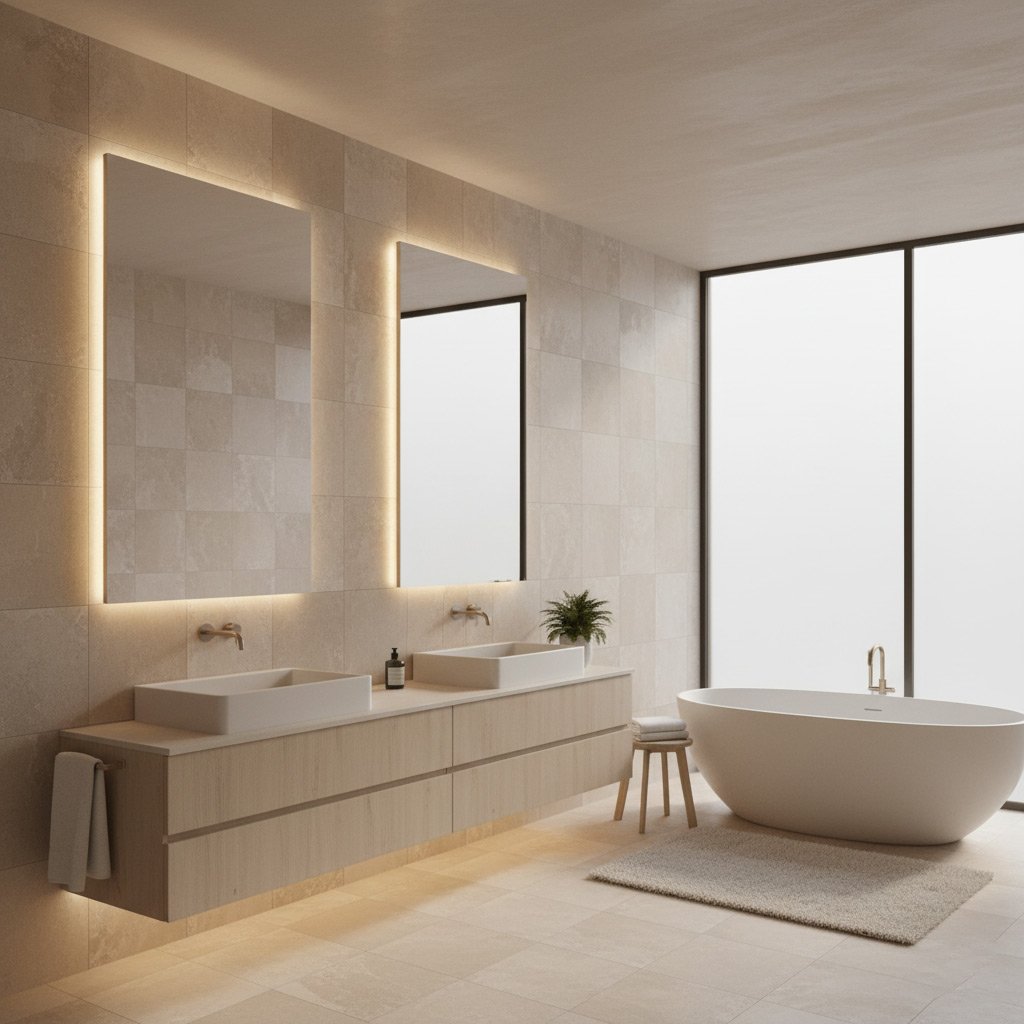
Professional Installation vs. DIY: What the Process Really Involves
What the pros actually do
First, a certified installer measures every curve of your tub with laser‑precision tools. No guesswork, no “one‑size‑fits‑all” shortcuts.
Next, they prep the surface by sanding, cleaning, and applying a moisture‑blocking primer that stands up to Kingman’s hard water. This step alone prevents bubbling later on.
- Custom‑cut the liner to match the exact dimensions of your tub.
- Apply a high‑performance adhesive that cures in under an hour.
- Seal the edges with a flexible caulk that expands with temperature swings.
DIY: The hidden pitfalls
Most homeowners think they can save a few hundred bucks by cutting corners. The reality is a DIY job often skips the primer, uses cheap glue, and leaves gaps at the corners.
Those shortcuts show up fast: bubbles, cracks, and a liner that lifts after the first rainstorm. Repairing a botched install costs more than a pro job.
Cost vs. confidence
Professional installation runs $800‑$1,200 in Kingman, but it includes a warranty that covers delamination for five years. DIY kits may look cheap, but they rarely come with any guarantee.
When you factor in the peace of mind and the fact that a proper install lasts a decade or more, the ROI tilts heavily toward the expert.
Cost Breakdown: Liner Pricing, Hidden Fees, and ROI Compared to Full Remodels
Base Price
In Kingman, a quality acrylic or gel‑coat liner typically runs $1,200‑$2,500 for a standard 5‑ft tub. PVC options sit on the low end, around $800, but they rarely survive our hard‑water conditions.
Installation labor adds another $400‑$800, depending on how much prep the old tub needs. That’s a flat‑rate most reputable contractors will quote up front.
Hidden Fees to Watch
Don’t be surprised when the final bill includes items you didn’t anticipate. Common extras are:
- Old tub removal & disposal – $150‑$300
- Surface repair (cracks, rust) before the liner goes on – $100‑$250
- Custom edge work or built‑in seat modifications – $200‑$500
- Extended warranty (5‑year) – $150‑$250
Ask for a written breakdown before the crew shows up. A transparent quote saves you from “surprise” charges later.
ROI Snapshot
Full bathroom remodels in Kingman average $12,000‑$18,000, with a 2‑3 month disruption. A liner slashes that to under $3,500 and can be done in a single weekend.
When you sell, a fresh‑looking tub adds roughly 5%‑7% to your home’s perceived value—far more than the cost of the liner itself. In most cases, the liner pays for itself within a year of resale or simply saves you the headache of a full gut job.
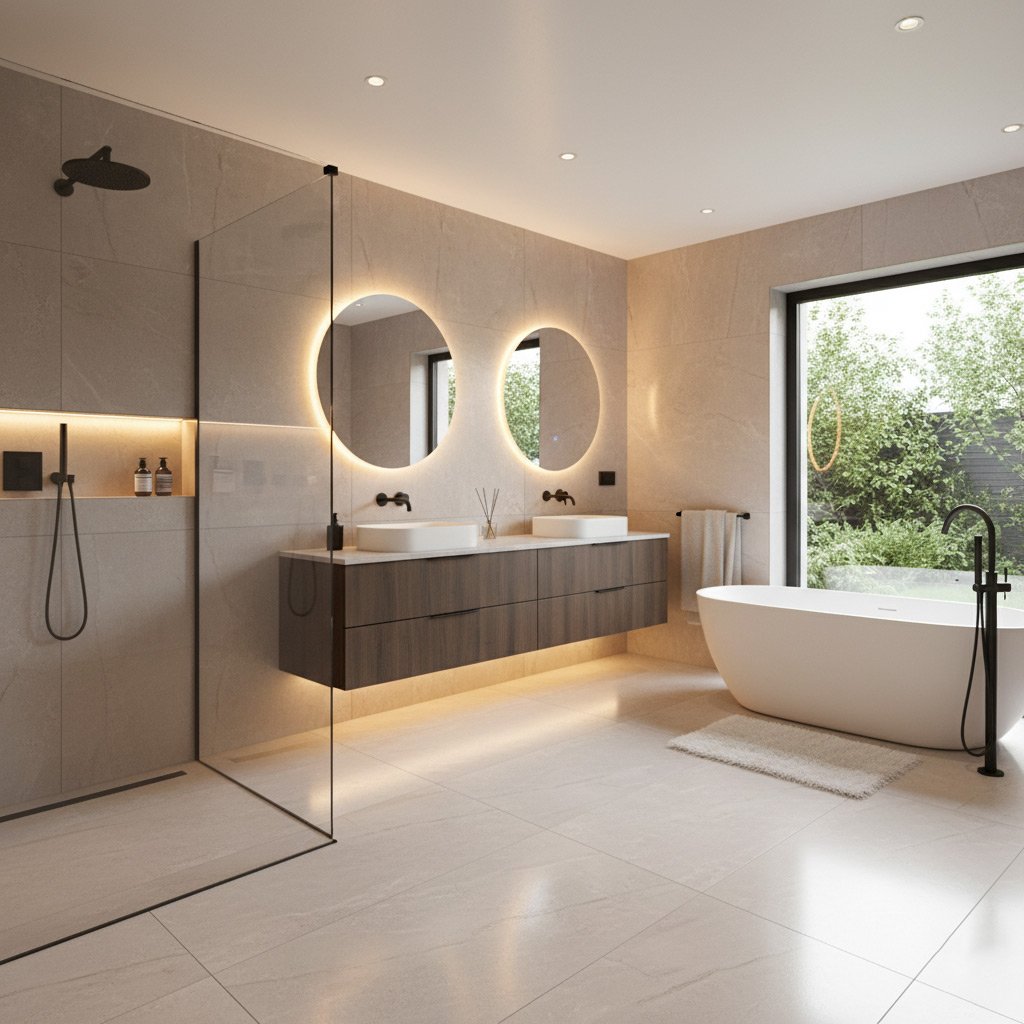
Common Pitfalls: Signs of Low‑Quality Liners and How to Avoid Them
When a cheap liner lands on your tub, the first red flag is a visible seam that looks like a cheap patch job. If the edges don’t sit flush or you see a faint line where two sheets meet, you’re looking at a product that wasn’t custom‑cut for your specific tub dimensions.
What to watch for
- Peeling or bubbling after just a few showers – a sign the adhesive or material can’t handle Kingman’s hard water.
- Uneven color or texture that changes under different lighting – indicates a low‑grade acrylic or PVC blend.
- Thin, flexible spots that flex under pressure – these will crack the moment you step in.
Another tell‑tale sign is a “one‑size‑fits‑all” claim. Real liners are fabricated from a 3‑D scan of your tub. If the seller can’t show you a digital model or a mock‑up, walk away.
How to dodge the junk
- Ask for a material data sheet. Look for gel‑coat finishes with UV inhibitors – they resist yellowing under the desert sun.
- Insist on a warranty that covers at least five years for both material and installation.
- Hire a local pro who knows the water chemistry. They’ll prep the surface, use the right primer, and seal the edges properly.
Bottom line: a quality liner feels solid, looks seamless, and comes with a clear guarantee. Anything less is a shortcut that will cost you more in the long run.
Case Study: Transforming a 30‑Year‑Old Tub in Downtown Kingman – From Cracks to a Custom‑Fit Liner
The Problem
When the Johnson family moved into their historic downtown condo, the bathtub looked like a war zone. Cracks spider‑webbed the surface, the glaze was flaking, and the old porcelain leaked every time they turned the faucet.
They needed a fix fast, but a full remodel meant weeks of demolition, dust, and a price tag that would make most homeowners wince.
The Solution
We measured, fabricated, and installed a gel‑coat liner that matched the original tub’s dimensions down to the last inch. The process broke down into three simple steps:
- Precision measuring – laser tools captured every curve, even the hidden lip.
- Custom gel‑coat mix – a formula designed for Kingman’s hard water and temperature swings.
- Professional bonding – a certified installer applied a marine‑grade adhesive, then cured the liner with a heat lamp.
All work finished in two days. No demolition, no mess, no surprise costs.
The Result
The Johnsons now have a tub that looks brand new, with a glossy finish that resists stains and chips. They saved roughly $4,500 compared to a full remodel, and the liner comes with a 10‑year warranty.
Since the install, the tub has withstood three scorching summer weeks and a winter freeze without a single bubble or crack. The family says it feels like a brand‑new bathroom—without the headache.
Final Thoughts: Making the Right Choice for Your Bathroom Upgrade
Know What You’re After
Before you sign a contract, ask yourself if you need a quick visual fix or a long‑term solution that can survive Kingman’s hard water. A high‑grade acrylic liner will look sleek for years, while a cheap PVC sheet may start bubbling after the first summer. Match the product to the problem, not the price tag.
Decision Checklist
- Material durability – acrylic > gel‑coat > PVC
- Installation expertise – certified pro who knows local water chemistry
- Warranty length – 5 years is a good baseline
- Future resale value – a quality liner adds curb appeal
When you line up these factors, the choice becomes crystal clear. A reputable installer will walk you through each point, give you a written warranty, and even show you a Bathtub Liners portfolio that proves they can handle Kingman’s temperature swings without a hitch.
People Also Ask
What are the main differences between acrylic, PVC, and gel‑coat bathtub liners?
Acrylic liners are lightweight, easy to install, and offer a glossy finish, while PVC liners are the most budget‑friendly but can feel less sturdy. Gel‑coat liners provide a high‑gloss, durable surface that mimics the look of a brand‑new tub and resist stains better than the other materials.How does Kingman’s hard water affect the lifespan of a bathtub liner?
Hard water can cause mineral buildup on the liner’s surface, leading to dullness and potential cracking over time. Using a high‑quality gel‑coat or acrylic liner with a protective sealant helps mitigate these effects and extends the liner’s life.Is it better to hire a professional installer or attempt a DIY bathtub liner installation?
Professional installers ensure a precise fit, proper adhesion, and warranty coverage, reducing the risk of leaks or premature failure. DIY kits may save money upfront but often result in gaps, bubbles, or voided warranties if not done correctly.What hidden costs should homeowners expect when adding a bathtub liner?
Beyond the liner price, expect fees for removal of the old tub, surface preparation, possible plumbing adjustments, and disposal of waste. Some contractors also charge for travel or expedited scheduling, which can affect the overall ROI compared to a full remodel.How can I spot a low‑quality bathtub liner before it’s installed?
Look for thin material, cheap seams, and a lack of a reputable warranty. Reputable suppliers provide detailed specifications, a clear warranty, and positive local reviews, helping you avoid liners that may crack or peel quickly.
Kingman Bathroom Remodel specializes in comprehensive bathroom renovations, bringing over a decade of craftsmanship to homes throughout Kingman, Arizona. Their team combines local knowledge with meticulous attention to detail to deliver functional and stylish spaces that reflect the unique character of the community.
Need Bathroom Remodel?
We restore indoor comfort quickly for homes and businesses in Kingman, AZ and nearby ZIPs (86401, 86402, 86403, 86404, 86405). Our technicians diagnose and fix issues efficiently to keep your system running smoothly.
Get Bathroom Quote