
Imagine stepping into a spa‑like oasis in your own bathroom, only to watch the price tag explode because someone missed a simple step. That’s the nightmare most homeowners in Kingman face when a walk‑in tub turns into a money‑sucking monster.
From ignoring the desert’s hard‑water quirks to skimping on proper floor reinforcement, the shortcuts add up fast. A mis‑aligned drain or a code violation can mean costly re‑work, water damage, or even a failed inspection.
The good news? You don’t have to gamble with your budget or your peace of mind. With a clear game plan and a few insider tips, you can sidestep the common traps and enjoy a flawless installation.
Ready to keep your wallet intact and your tub trouble‑free? Keep reading and discover the exact steps you need to take.

Assessing Structural and Load Requirements for Your Bathroom
Before you even pick a tub, you need to know if your floor can handle the weight. A typical walk‑in tub plus water can tip the scales at 600‑800 lbs. That’s a lot for a standard residential slab.
Key load‑bearing questions
- What’s the current joist spacing? 16‑in. on center is common, but older homes may be wider.
- Are the joists made of solid lumber or engineered I‑beams?
- Is there a concrete slab, and if so, how thick is it?
Once you have those answers, compare them to the tub manufacturer’s specs. If the floor falls short, you’ll need reinforcement—usually a plywood sister or steel joist flitch. Skipping this step can lead to sagging, cracks, or a full‑blown structural failure.
Don’t forget the hidden weight of accessories. Handrails, built‑in seats, and the tub’s own frame add extra pounds. A quick calculation:
- Tub + water: ~700 lbs
- Handrails & seat: +50 lbs
- Tile or surround: +30 lbs
That’s roughly 780 lbs pressing down on your floor. Make sure the structure is ready, or you’ll pay for repairs later.
Selecting the Ideal Walk‑In Tub for Kingman’s Climate and Space
Kingman’s desert heat and hard‑water profile demand a tub that won’t crack under thermal stress or stain from mineral buildup. Acrylic or reinforced fiberglass units absorb temperature swings better than heavy cast‑iron, and they’re easier to seal against the inevitable calcium deposits.
Match the tub to your bathroom’s footprint
Before you fall in love with a luxury model, grab a tape measure and sketch the layout. You need at least 24‑inches of clearance around the tub for a safe entry and for the door to swing without hitting fixtures.
- Depth matters: A 48‑inch deep tub fits a standard 5‑ft bathroom, but a 60‑inch model may need a wall‑to‑wall redesign.
- Width: Keep the tub under 36 inches if you have a narrow hallway.
- Door style: Sliding doors save space; hinged doors require extra room.
Features that survive the desert
Look for tubs with built‑in water‑softening options or easy‑access jet cleaning ports. A heated backrest not only feels great but also reduces condensation that can corrode metal parts.
- Low‑step entry: Reduces strain and fits under most floor joists.
- Quick‑drain system: Prevents water pooling on hot concrete floors.
- UV‑resistant coating: Stops sun‑bleached fading if your bathroom gets a lot of daylight.
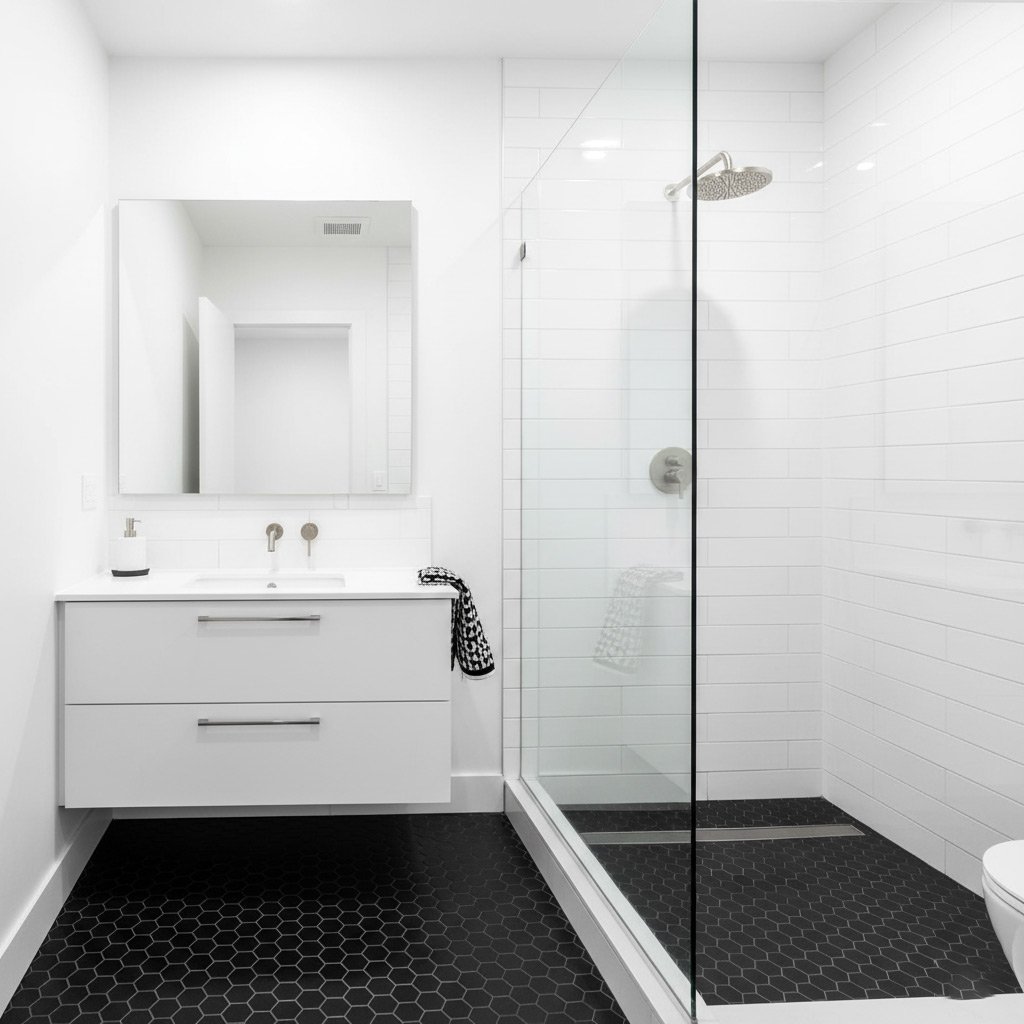
Ensuring Proper Plumbing, Drain Alignment, and Water‑Proofing
Plumbing Layout Basics
Start with a clear pipe map before you cut any drywall. A mis‑routed supply line will cost you time and money, especially when the desert heat expands metal.
Key steps:
- Locate the main shut‑off valve; keep it within arm’s reach.
- Run hot and cold lines parallel to avoid unnecessary bends.
- Use PEX tubing for flexibility and resistance to Kingman’s hard water.
Drain Alignment Tips
The drain must sit square to the tub’s outlet, or you’ll hear that dreaded gurgle every night. Measure twice, cut once – a tiny offset can flood the floor.
Don’t forget:
- Install a PVC trap with a 2‑inch slope toward the main stack.
- Seal the connection with a rubber gasket, not just silicone.
- Test flow with water before the tub is set in place.
Water‑Proofing Must‑Do’s
Even the toughest tub won’t survive a leak that seeps into the joists. A solid barrier is your insurance policy.
Apply these layers:
- Prep the subfloor with a cementitious backer board.
- Lay a liquid‑applied membrane; let it cure fully.
- Finish with a flexible sealant around the tub’s perimeter.
Reinforcing Floors and Managing Weight Distribution Safely
Why Floor Strength Matters
Walk‑in tubs can weigh up to 1,200 lb when filled, plus the weight of the user and accessories. That’s a lot of pressure on a typical residential floor. If the joists aren’t up to the task, you’ll hear creaks, see sagging, and risk costly repairs.
Proven Reinforcement Techniques
Don’t gamble with guesswork—use proven methods that contractors trust.
- Install sister joists alongside existing ones to double the load‑bearing capacity.
- Lay a minimum ¾‑inch plywood subfloor with staggered seams for added rigidity.
- For concrete slabs, add a rebar grid and a skim coat of polymer‑modified concrete.
Smart Weight Distribution Tips
Even a reinforced floor can fail if the tub’s weight isn’t spread evenly.
- Position the tub so its center aligns with the strongest joist or beam.
- Use a load‑spreading platform—a steel or composite frame that distributes pressure across multiple joists.
- Secure the tub’s base with adjustable shims to eliminate high‑point stress.

Navigating Local Building Codes, Permits, and Inspection Standards
Know the Rules Before You Break Ground
Kingman’s Building Department treats walk‑in tubs like any other structural change—meaning you need a building permit before the first tile is laid. Skipping this step can trigger fines, force a costly tear‑down, or even leave you with an uninsured leak.
- Permit #1: Plumbing alteration permit – required for any new drain or supply line.
- Permit #2: Electrical permit – if you’re adding lighting, heated seats, or a built‑in heater.
- Permit #3: Structural permit – needed when you reinforce the floor or modify joists.
Inspection Timeline You Can Trust
Once the permits are in hand, the city schedules three key inspections: rough‑in, waterproofing, and final. Each checkpoint is a chance to catch a mistake before it becomes a nightmare.
- Rough‑in: Verify pipe slopes, vent placement, and load‑bearing supports.
- Waterproofing: Confirm the membrane meets Arizona’s moisture standards and that seams are sealed.
- Final: The inspector signs off only after the tub is fully installed and functional.
Tips to Keep the Process Smooth
Hire a contractor who already knows Kingman’s codebook; they’ll have the paperwork ready and know which inspector to call. Keep a dedicated folder—digital or paper—of all permits, inspection reports, and contractor notes. When everything is organized, you’ll breeze through the city’s checklist and avoid surprise delays.
Case Study: A Seamless Walk‑In Tub Installation in a Kingman Residence
Background
When the Martinez family decided to upgrade their master bath, they wanted a walk‑in tub that could handle Kingman’s hard water without turning their floor into a swamp.
They hired a local remodeler who promised a “quick fix,” but the initial quote skipped two critical steps: floor reinforcement and proper drain alignment.
Challenges & Solutions
Here’s what went wrong at first and how the team turned it around:
- Load capacity miscalculation – the original slab could only support 250 lb per square foot.
- Improper plumbing pitch – the drain was set too low, causing slow drainage.
- Missing waterproof membrane – a recipe for future leaks.
The remodeler brought in a structural engineer, added a reinforced plywood subfloor, and installed a custom‑cut PVC waste line with a ¼‑inch slope.
They also applied a liquid‑applied waterproofing system that cured in 24 hours, sealing every seam.
Result
After the upgrades, the tub settled perfectly, the water drained in under 30 seconds, and the final inspection passed with zero violations.
The Martinez family now enjoys a spa‑like soak without fearing a busted floor or a surprise bill.
Final Words
Before you sign the contract, lock in a clear scope of work with your installer. Ask for a written breakdown of every step—structural prep, plumbing, waterproofing, and final finish. When the details are on paper, surprise costs lose their power.
Quick Checklist
- Confirm floor joist reinforcement meets the tub’s weight rating.
- Verify the drain is positioned within ½ inch of the manufacturer’s spec.
- Make sure all waterproof membranes overlap by at least 6 inches.
- Ask for a copy of the local building permit and inspection schedule.
Keep these items handy during the build. If anything looks off, pause the crew and get clarification. A small pause now saves you from a costly redo later.
Need a trusted partner who knows Kingman’s quirks? Check out our Walk In Tubs service page for vetted installers, warranty details, and real‑world case studies. Your spa‑like oasis is just a few smart decisions away.
People Also Ask
What structural checks are needed before installing a walk‑in tub in Kingman?
A qualified contractor should evaluate floor joists, load‑bearing walls, and the overall framing to ensure they can support the tub’s weight plus water and occupants. Reinforcement may be required if the existing structure doesn’t meet the load requirements.How does Kingman’s desert climate affect the choice of a walk‑in tub?
High daytime temperatures and low humidity can cause metal components to expand, so selecting a tub with corrosion‑resistant materials and proper insulation is essential. Look for models designed for arid environments to prevent premature wear.What plumbing considerations prevent leaks during walk‑in tub installation?
Proper drain alignment, secure pipe connections, and a reliable waterproof membrane are critical. Using flexible, high‑temperature‑rated fittings helps accommodate movement without compromising the seal.Do I need a permit to install a walk‑in tub in Kingman, AZ?
Yes, most municipalities, including Kingman, require a building permit for major bathroom remodels that involve structural changes or new plumbing. Submit detailed plans to the city’s Building Department and schedule inspections as required.How can I avoid costly weight‑distribution problems with a walk‑in tub?
Distribute the tub’s weight evenly by reinforcing the floor with additional joists or a concrete slab, and ensure the tub sits on a level, stable base. Consulting a structural engineer can help design a safe, long‑lasting solution.
Kingman Bathroom Remodel brings over a decade of specialized bathroom renovation expertise to homeowners throughout Kingman, Arizona. Their team combines skilled craftsmanship with a deep understanding of local design trends and building codes, ensuring each project meets the unique needs of the community. Committed to quality and personalized service, they transform spaces into functional, stylish retreats.
Need Bathroom Remodel?
We restore indoor comfort quickly for homes and businesses in Kingman, AZ and nearby ZIPs (86401, 86402, 86403, 86404, 86405). Our technicians diagnose and fix issues efficiently to keep your system running smoothly.
Get Bathroom Quote